-
Miscellany of Byzantine and Postbyzantine Texts
1. Dedicace (f. 1r)
2. Michael Psellos, Aenigmata (περὶ ἐνιγμάτων, f. 2r – 3v; Boissonade, Anecdota graeca, 1829-1833, vol. 3, 429-436)
3. Excerpts of Basileios Megalometos, Αἰνίγματα (ἐνταυθα βασιλείου τοῦ μεγαλομητου, f. 3v-5r; Boissonade, Anecdota graeca, 1829-1833, vol. 3, 437-452)
4. Hieromonk Metrophanos, Letter to Nikolaos Choniates (ἐπίγραμμα μ(ετ?)ροφανου ἱερομοναχοῦ πρὸς τὸν σοφωτατον καὶ λογιωτατον πρωτονοτάριον Μονεμβασιας κυρ Νικολάον τὸν Χωνιάτην, f. 5r-v)
5. Marcus Iunius Brutus, Letters (ἐπιστολαὶ· Βροῦτος περγαμηνοῖς, f. 5v-7r)
6. Oracula Leonis (λέοντος τοῦ σοφωτάτου βασιλέως χρισμοί, f. 10r-18v)
7. Dispute between Panagiotis and the azymites (ἐπιστολή γραφεῖσα παρὰ τοῦ πάπα πρὸς τὸν βασιλέα· διαλέξις τοῦ Παναγιώτου, μετὰ Λατίνων, ἔχων οὕτως, f. 19r-36v)
8. Euthymios Zigabenos, excerpts from the Panoplia dogmatica ad Alexium Comnenum (περὶ τοῦ Μωάμεθ ἀνθ(ολογία?) μ(έ?) τ(οὺς?), f. 37r-37v; PG 130, col. 1337, 1340)
9. Unidentified botanical text (οἱ ἀνθέμις ἡ βοτάνη καὶ ἀμαράκον κάλουσιν αὐτὴν, f. 37v-38r)
10. Grammar lessons (f. 39r-39v)
11. Gennadios Scholarios, Expositio brevis fidei christianae (Γενναδίου πατριάρχου Κωνσταντινουπόλεως μετὰ τὴν τῆς πατριαρχίας παραίτησιν περὶ τῆς ὁδοῦ τῆς σωτηρίας τῶν ἀνθρώπων, δόθεν μετὰ τὰς διαλέξεις ἔγγραφόν τε καὶ σύντομον ἀπαιτήσασι περὶ τῆς ἡμετέρας πίστεως καὶ τῶν κεφαλαίων αὐτων περὶ ὦν γεγόνεν ἡ διάλεξις· σὺν τινος συγγράμματος πλατύτερου γεγονότος αὐτοῦ ἐπὶ τῇ ὁμοίᾳ ζητήσι πρό τῆς ἁλώσεως, ff. 39v-44r)
12. Questions (ρώτησις να, ff. 44v-45r)
13. Treatise against the Armenians (Κατὰ τῶν Ἀρμενίων παρατηρήματα, ff. 45r-51r)
14. Mathusalem Monachos, Questions and answers about the Latins († περὶ τῶν Φραγκῶν πεῖσιν καὶ ἀπόκριαν Μαθουσάλημ μοναχοῦ, ff. 52r-58r)
15. Questions and answers about the Bible (ff. 60r-80v)
16. Poems on religious and liturgical subjects, prayers and alphabets (ff. 80v-83r)
17. List of the seven ecumenical councils with chronological computation (ff. 83v-84r)
18. On phlebotomy (Περὶ φλεβοτομίας, f. 84v-86r)
19. About the signs of the Antichrist (Τὰ σημεία τοῦ Ἀντιχρίστου, ff. 86r-86v)
20. Scriptural passages (Psalms 103) and interpretations (ff. 86v-97v)
21. Names of the months (Attic, Hebrew, Egyptian, Macedonian, Agarenian) and numeration of the days of the months according to the Athenians (ff. 98r-99r)
22. Cyril Loukaris, Canonic epistle (Κύριλλος ἔλεω θεοῦ πάπας καὶ πατριάρχης τῆς μεγάλης πόλεως Ἀλεξανδρείας καὶ κρίτης τῆς οικουμένης, ff. 101r-107v)
23. Parodic hymns (iambic verses: Δεῦτε προσκυνήσωμεν τῷ βασίλει/Δ᾽ εὐτερίτε κάμψωμεν, κριῶ ἀμῶν πιπί, ff. 109r-116v)
24. Profession of faith (Τὸ πιστεύω εἰς ἕνα Θεὸν Πατέρα παντοκράτορα, ff. 116v-117v)
25. Exercise /schedos? (φίλος πεφηκώς τῶν φιλούντων τὸν φίλον, f. 117v)
26. Euthymius the Monk, Dialogue of the monk Euthymius with a Saracen (Διαλέξις ἀγαρηνοῦ μετὰ τινος μοναχοῦ Ευθυμίου περὶ τῆς πίστεως, ff. 119r-134v)
27. John Hamartolos, Discussion that I, John Hamartolos, had some years ago with the head of the Koudougheroi (Διαλέξις ἧν πρὸ χρόνων ἐποιήσαμην μετὰ τοῦ πρώτου τῶν κουδουγερῶν. Ἰωάννης ἁμαρτολός, ff. 135r-148v)
28. Michael Psellos, Introductio in Psalmos (Στίχοι ὑπερτίμου, κῦρ Μιχαὴλ τοῦ Ψελλοῦ, ff. 150r-165v)
29. Anonymous political verses with scriptural content (ff. 166r-205r)
30. Anonymous political verses with religious content (ff. 206r-227r)
31. Praxeis of Pope Gregory (Πράξεις τοῦ ἁγίου πατρὸς ἤμων Γρηγορίου πᾶπα τῆς ἁγιώτατης τοῦ Θεοῦ ἐκκλησίας τῆς πρεσβυτέρας Ῥώμης· εὐρίσκεται δὲ ἐν τῇ ἀρχῂ τῆς βίβλου αὐτοῦ· τῆς ἐπονομαζομένης διάλογος., ff. 229r-233r)
32. Sort of itinerary and «guide» to the City of Jerusalem and the Holy sites of Palestine (Πρώτον μὲν πέρασε θέλεις εἰς κύπρον, ff. 233r-236v)
33. Various short texts (report of the six days of the creation, recipe for a remedy, invocations and prayers: ff. 237r- 238r)
34. Markos Eugenikos, Epistula encyclica contra Graeco-Latinos et decretum synodi Florentinae (Τοῖς ἀπανταχου τῆς γῆς καὶ τῶν νησσῶν ὁροδόξοις χριστιανοῖς· Μάρκος ἐπίσκοπος, τῆς Ἐφεσίων μητροπόλεως ἐν Κυρίῳ χαίρειν, ff. 239r-248r)
35. Athanasios of Alexandria, Symbolum quicumque (Εκ τῆς ἁγίας α´-ς οίκουμενικῆς συνόδου τῆς ἐν Νικαία, ff. 248r-249v)
36. Theological prose (or prayers? Ὕψεστε πανκράτορ πάτερ θέε, f. 249v)
37. Loose leaves bound together? (letter, exercise, calendar... ff. 250r-251v)
38. Anonymous, Chronicle of Ioannina (Σύγραμμα ἰστορικὸν· ὡς ἐν συνόψει συντεθὲν· δηλὸν τοὺς ἀπὸ τοῦ εὐσεβοὺς βασιλέως κυροῦ Ἀνδρονίκου τοῦ Παλαιολόγου κατάρξαντὸς· μέχρι καὶ τοῦ δεσπότου Θωμᾶ τοῦ τυράννου τοῦ ἐπονομαζομένου· Κομνηνοῦ τοῦ Πρεαλούμπου, ff. 252r-272r)
39. Christodoulos, iambic verses (Πρόλογος ἰαμβικὸς· ποίημα Χριστοδούλου· γίνωσκε δὲ ὅτι οὐ ποίημα ἐστι πεζὸν, ἀλλὰ τεχνικὸν· τὰ δὲ ἄλλα πεζὰ ὅλα, διὰ τοὺς ἀμαθείς, ff. 273r-278v)
40. Musical notations (ff. 278v-279v)
41. History of Jerusalem (Osswald) or itinerary to the Holy places? (Ἱστορία μερικὴ διηγήσης περὶ τῶν Ἰεροσωλύμων καὶ περὶ τοῦ ζωοδόχου τάφου τοῦ κυρίου ἠμῶν Ἰήσου Χριστοῦ· περὶ τῶν σεβασμίων τόπων τῶν ἁγίων, ff. 280r-291v)
42. Anonymous text with religious content, including questions and answers on scriptural and religious subjects (ff. 292r-295v)
43. Apparently, series of instructions for medical divination, based on the books of the Bible, or more specifically the New Testament (ff. 296r-v)
44. Text on astronomic matter, calculation of lunar phases and calendar (ff. 297r-v)
45. No title. Series of paragraphs on meteorology and botanic (ff. 298r-v)
46. Medical divination (ff. 299r-v)
47. Note about fasting (f. 300v)
48. Greek-Aromanian glossary (f. 304r-305r)
49. Lists of names (Fols. 306r-307r), notes (Fol. 307v): perhaps annotations and register (accounting sheets)?
-
Collectio theologica
According to Hunger and Lackner (Katalog, 181), this miscellaneous book is formed of 9 originally independent codicological units; it contains the following works:
1. Anastasius Sinaita, Viae dux (ff. 1r-14v: ἀρχὴ σύν Θεῷ. Προθεωρία ὑποθεσέως τῶν ὅρων τῆς βίβλου ἧς ἡ ἐπονυμία λεγέται? Ὁδηγὸς = CCSG 8, Turnhout Brepols 1981). Ff. 14/1r-v and 14/2r-v are blank.
2. Anonymous exegesis of the Decalogue (ff. 15r-24r: Δεκάλογος ἢ περὶ τῶν δέκα ἐντολῶν μετὰ τῆς προσθήκης καὶ πληρωμάτος τοῦ κυρίου ἡμῶν Ἰησοῦ Χριστοῦ). Detailed description of chapters’ content in Hunger and Lackner, Katalog, 178). Ff. 24/1-24/6 are blank.
3. John of Damascus (f. 25r: τοῦ ὁσιωτάτου καὶ ἁγιωτάτου καὶ φιλοσοφωτάτου Ἰωάννου πρεσβυτέρου τοῦ δαμασκήνου), Institutio elementaris (ff. 25r-27r, no title in the codex: Hunger and Lackner, Katalog, 179; cf. ed. Kotter) and Dialectica (ff. 27r-28r: τοῦ αὐτοῦ λόγος περὶ γνώσεως). F. 28v is blank.
4. Anonymous text in verses, identified by Hunger and Lackner (Katalog, 179) as John Mauropous, In magnas festorum tabulas per modum expositionis commentarium (f. 29r: στίχοι ἰαμβικοὶ εἰς τὴν ὑπεραγίαν θεοτόκον = carmen 103; f. 29r-v: ἕτεροι εἰσ τὰς δεσποτικὰς ἑορτάς = carmen 104).
5. Anonymous description of Athenian monuments (ff. 29v-32v: τὰ θεάτρα καὶ διδασκαλεῖα τῶν Ἀθηνῶν = Anonymi Viennensis description urbis Athenarum, ed. L. Ross).
6. Aristobulos Apostoles, poem for Hyeronimus Donatus (f. 32v: Ἀρσενίου τοῦ Μονεμβασίας ἐπίγραμμα εἰς τὸν σοφωτάτον καὶ μεγαλοπρεπῆ Κρητῶν ἡγεμόνα κύριον Ἱερώνυμον τὸν Δωνάτον).
7. Anonymous text in verses, identified by Hunger and Lackner (Katalog, 179) as John Mauropous, In magnas festorum tabulas per modum expositionis commentarium (ff. 33r, 34v-35r: στίχοι εἰς τὸ ἅγιον Πάσχα ἴαμβοι = carmen 105).
8. Anonymous text in prose, identified by Hunger and Lackner (Katalog, 179) as Leo (?), Collection of prophetic quotations on the divine nature of Christ (ff. 33v-34r, 38r-40r: ἔρανος καὶ ἐκλογὴ ἐκ διαφόρων βίβλων καὶ προφητειῶν φιλοπόνως ἐρανισθεῖσα παρ᾽ἐμοῦ τοῦ οὐδαμινοῦ Λέοντος ὅσα περὶ Χριστοῦ γέγραπται ὅτι Θεὸς ὁ Χριστός).
9. Anonymous poem in political verses on the birth of Christ (ff. 35r-37v: ἕτεροι στίψοι πολιτικοὶ σχεδιασθέντες εἰς τὴν ἁγίαν τοῦ Χριστοῦ γέννησιν).
10. Final prayer for the Sunday liturgy during Lent (f. 40r-v: εὐχὴ ὀπισθάμβονος λεγομένης τὰς κυρικὰς τῆς ἁγίας τεσσαρακοστῆς).
11. Anastasios I, patriarch of Antioch, Expositio fidei orthodoxae (ff. 41r-42r: Ἀναστασίου πατριάρχου Θεουπόλεως καὶ Κυρίλλου Ἀλεξανδρείας ἔκθεσις σύντομος τῆς ὀρθοδόξου πίστεως). F. 42v is left blank.
12. Dialogue of the monk Euthymios with a Saracen philosopher (ff. 43r-48v: διάλεξις εὐθυμίου μοναχοῦ καὶ σαρακινοῦ φιλοσόφου περὶ πίστεως γενομένη ἐν τῇ πόλει Μελειτινῇ). Ff. 48/1-48/7 are left blank.
13. Manuel II Palaiologos, Praecepta educationis regiae (ff. 48r-59v: βασιλεὺς βασιλεῖ· Μανουὴλ Ἰωάννῃ… ἑκατὸν κεφάλαια). Of the same author, f. 60r-61r κεφάλαια κατανυκτικά. 61/1-61/2 are left blank.
14. Anonymous text about the progymnasmata, no title in the ms (cf. Hunger and Lackner, Katalog, 180; ff. 62r-65v: f. 62v κοινὸς τόπος κατὰ τυράννου; f. 63r, intitulatio in the upper margin γνώμη; f. 64v ἐγκώμιον).
15. Excerpta from Dionysios Areopagites (cf. Hunger and Lackner, Katalog, 180; ff. 66r-v: διονυσίου ἐκ τῶν ἐρωτικῶν ὕμνων). 66/1 is left blank; 66/2r-v just two strips of blank paper are left from a cut folium (15 mm).
16. Anonymous homily addressed to the synodos endemousa of the Patriarchate of Constantinople (cf. Hunger and Lackner, Katalog, 181; ff. 67r-68v, no title but long address to the patriarch). f. 69r-70r: diagram or schematic representation of the parts of the soul, and of virtues and vices (cf. Hunger and Lackner, Katalog, 181). 70v and 70/1 are left blank.
17. Fragments of catena to Psalm 103, 1-26 (ff. 70r-94r); no title, text of the Psalm followed and intermixed with commentaries; incipit: εὐλόγει ἡ ψυχή μου τὸν κύριον.
-
(EN) Miscellaneous manuscript book (Pinakes); f. Ir: flyleaf with label: Maximus Palnudes and other works by other authors 740
Tthis miscellaneous book contains the following works:
1. astrologikon attributed to Maximos Planudes (ff. 1-4: ἀκολυθία ἀπασ τῶν ὑελίων ἐκτεθεῖσα παρὰ τοῦ λογιωτάτου καὶ σοφοτάτου κυ μαξίμου τοῦ πλανούδη; Pinakes: De urinis carmen)
2. Catonis disticha de moribus, Greek translation by Maximus Planudes and interlinear glosses (ff. 5-17: Κάτων ῥωμαῖος μετενεχθεὶς εἰς ἐλλενικὴ φωνὴ παρὰ τοῦ σωφωτάτου καὶ λογιωτάτου Μαξίμου μοναχοῦ τοῦ Πλανούδη)
3. Three canons attributed to John of Damascus (ff. 18-33: εἰς τὰ ἅγια θεοφανία, εἰς τὰ ἅγια φῶτα, εἰς τὴν ἅγιαν πεντηκοστὴν) with interlinear glosses and in the margins the paraphrase by Markos Eugenikos
4. Manuel Philes, metaphrasis of Psalms nos. 103, 3, 37, 62, 102, 50 (ff. 34-39; Pinakes: Psalterium versibus politicis redactum). f. 39ar-v is blank.
5. Anthology of letters attributed to Synesius, Isidore of Pelusion and Libanius, with interlinear glosses and commentary (ff. 40r-50vsup.)
6. Epictetus, Encheiridion, with interlinear glosses and commentary (ff. 50vinf.-65vsup.)
7. Libanius, selection of letters with interlinear glosses and commentary (ff. 65vinf.-79v: ἐπιστολαὶ Λιβανίου τοῦ σοφίστου)
8. So-called ‘second schedography’ – part 1 (ff. 80-124v: ἀρχῆ συν θῷ ἁγίῳ (?) τῶν λεγομένων δευτέρων σχεδαρίων)
9. Agapetus diaconus, Parenetic chapters to Justinian (Scheda regia), with commentary (ff. 125r-127v: ἔκθεσις κεφαλαίων παραινετῶν πρὸς τὸν βασιλέα Ἰουστινιανόν)
10. Confessio Theodosii iudaei sive de sacerdotio Christi (ff. 128r-133r)
11. Legend of Symeon the Priest (ff. 133r-135v; De hypapante, BHGa 1968m)
12. Series of short texts and extracts: various cryptographic alphabets (136r-v); text on the birth of the Virgin (137r-v); περὶ ἀρώστου. ψήφισμα κυροῦ Λέοντος τοῦ σοφοῦ (f. 137v, lower half of the page, and f. 138r)
13. John of Damascus, Expositio fidei II, 23 and 23b: περὶ ὑδάτων, περὶ πελαγῶν (ff. 139-140)
14. Notary acts, dated to the years 1363-1371 and referring to Constantinople (ff. 141-143)
15. On the interpretation of dreams according to the alphabet (ff. 144r-145v: ὀνειροκρίτης ἐκ μέρους: ἀρχὴ τοῦ α)
16. Letter of the sultan of Egypt (Melik Nasir) to the emperor Andronicus (i.e. Andronicus III Palaeologus (ff. 145v- 146v: Γράγει ὁ Σουλτάνος τῆς Αἰγύπτου πρὸς Ἀνδρόνικον τὸν βασιλέα)
17. Dialogue of Euthymius with a Saracen (ff. 147r-153r: διαλέξεις Εὐθύμιος μετὸν σαρακύνον)
18. Short pamphlet on the women and idolatrous behaviour of Solomon (f. 153r)
19. Ps.-Codinus, De officiis (ff. 153v-154r:† Ἀξιώματα τοῦ βασιλέως Γ ὄπερ εὐεργετῆ ὁ βασιλέυς : † δεσποτης σεβαστοκρατωρ…)
20. Divination spiral (f. 154r-v: πρὸς λύσσαν, i.e. furious madness, ἐκ τῶν γύρων; on f. 154v explanations de rabie)
21. Matthew (Blastares?) hieromonk, political verses for the city of Theodoros (ff. 155r-158r: διήγησις τῆς πόλεως Θεοδώρους στίχοι μαθταίου ἀτελοῦς καὶ ἐλαχίστου θύτου)
22. Table and list with the days and the hours of the week, and the associated divinities (ff. 158r-160r: ὅτι ἑπτὰ ἡμέραι ἐστίν τῆς εὐδομάδος· ἑπτὰ δὲ καὶ οἱ πλανήται… περὶ τῶν ὡρῶν τῆς εὐδομάδος)
23. Hymn to the resurrection of Christ (f. 160v)
24. Esoteric pamphlet on the peony (ff. 162r-164r: περὶ τῆς βοτάνης τῆς καλουμένης παιωνίας)
25. Instructions for magical operations (ff. 164r-165r)
26. Nicholas chartophylax, Method of divination based on biblical book (ff. 165v-167r: τοῦ σοφωτάτου καὶ μακατιωτάτου κυροῦ Νικολάου χαρτοφύλακος τῆς ἁγιωτάτης τοῦ θεοῦ μεγάλης ἐκκλησίας καὶ μητροπολίτου Θεσσαλονίκης μέθοδος τοῦ χρησμοῦ τοῦ ἀπὸ τοῦ εὐαγγελίου ἢ ἑτέρου τινὸς θείου βιβλίου)
27. Texts on magical subjects (ff. 167r-169v)
28. Table and magical and divinatory texts (ψῆφοι) on different subjects (ff. 170r-176r); to be used to determine the issue of an illness, in matters of life or death
29. Series of short learned texts, on geographical, etymological, metereological subjects (ff. 176v-181v)
30. † εἰς τὸ στῆσαι αἶμα and instruction on signs to be written – signa magica follow
31. Magical and medical instructions, apparently concerning plants (183r-v)
32. Texts on medical, astrological and divinatory subjects (f. 184r-188r) with the presence of tables (astrological, numerological: kanonion of Hermes Trimegistos, kanonion of Petosyris)
33. Series of recipes / alchemic texts (f. 188r-193v)
34. Political verses on the crucifixion of the Lord (93av)
-
Miscellanea praesertim Patrum Graecorum
This miscellaneous book contains the following works:
1. Gregory of Nissa, Dialogus de anima et resurrectione (τοῦ ὁσίου πατρὸς ἡμῶν Γρηγορίου ἐπισκόπου Νύσσης περὶ ψυχῆς ἀνθρώπου, ὁ λεγόμενος λόγος τὰ μακρίνια , f. 1r-85r). At f. 111v- 113r some blank space is found, then writing resumes. According to Feron et Battaglini (Codices manuscripti ottoboniani Bibliothecae Vaticanae, Città del Vaticano 1893, p. 174) the text of Anastasius Sinaita ends, then follow some excerpta on the soul, the state of body and soul during sleeping... Different texts/extracts are apparently separated by blank spaces (see f. 112v) and each extract begins with a red initial.
2. Anastasius Sinaita, Homiliae de creatione hominis – extracts (ἀναστασίου πρεσβυτέρου ἐν τῷ Σινᾶ ὄρει περὶ τοῦ κατ᾽εἰκόνα καὶ καθ᾽ὁμοίωσιν τῆς τοῦ ἀνθρώπου ὑπὸ θεοῦ κατασκευῆς, f. 86r-113r).
3. Donatio Constantini Syluestro papa [BHG 1634e-1634eb] (τὸ παρὰ τοῦ ἰσαποστόλου ἁγίου Κωνσταντίνου γεγονὸς ἔγγραφον θέσπισμα πρὸς τὸν ἅγιον σίλβεστρον τὸν τότε πάπαν τῆς ρώμης, f. 113r-119r).
4. Commentary and exegesis of the Song of Songs by Solomon (ἆσμα ἀσμάτων ὧ ἐστί τῷ σολομόντι, f. 119r-141v). According to Santo Lucà (“La fine inedita del comment di Nilo d’Ancira al Cantico dei Cantici”, Augustinianum 22/3 [1982], 365-403) the author (not mentioned in the manuscript title) is the monk Nilus of Ancyra (4th-5th c.)
5. John Chrysostom, De incomprehensibili natura Dei homiliae [CPG 4318, Aldama 245] (τοῦ χρυσοστόμου, περὶ τοῦ ἀκαταλήπτον εἶναι τὴν θείαν φύσιν ἐκ τῆς βίβλου τῆς περιεχούσης τοὺς περὶ ἀκαταλήπτου λόγους, f. 142r-146v).
6. Gregory of Nyssa, Testimonia adversus Iudaeos [CPG 3221] (τίτολος ι᾽ κατὰ ἑβραίων ἐκ τῆς λεγομένης εἶναι τοῦ Νήσσης βίβλου τῆς προσαγορευμένης θεογνωσίας…, f. 146v-162v).
7. Dialogue on the Faith of the Monk Euthymius with a Saracen Philosoper in the City of Melitene (διάλλεξις τοῦ ὁσίου πατρὸς ἡμῶν εὐθυμίου τοῦ μεγάλου κατὰ σαρακινοῦ φιλοσόφου περὶ πίστεως γενομένη ἐν τῇ πόλει μελιτηνῆς, f. 163r-176r).
8. Index apostolorum ex Hyppolito et Dorotheo, that is, series of short notices devoted to each one of the apostles (ἱππολύτου ἐπισκόπου ῥώμης καὶ δωροθέου ἐπισκόπου τύρου καὶ ἱερομάρτυρος περὶ τῶν μαθητῶν τοῦ κυ…, f. 176v-179r).
According to Pinakes, the ff. 142-162 (nos. 5-6) are drawn from the Panoplia dogmatica by Euthymius Zigabenus, ed. J.P. Migne, Patrologia graeca, vols. 128-131: see also RAP G11348 (https://apps.unive.it/project/rap/visualizza/g11348)
-
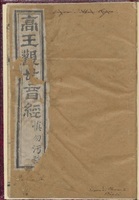 (CN) 高王觀世音經
 A popular devotional sutra dedicated to Guanyin, intended for recitation and spiritual protection, and closely associated with everyday religious practice. A final note records that multiple copies of the text (one hundred in total) were printed and distributed as donations.
-
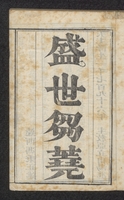 (EN) Humble Opinions in a Flourishing Age
 Shengshi chu rao is a Catholic catechetical work composed by the French Jesuit missionary Joseph-Anne-Marie de Moyriac de Mailla (1669 – 1748) and published posthumosly in 1796. Written in accesible, colloquial Chinese, it presents core Christian teachings adapted to the cultural and linguistic context of China. The text outlines fundamental doctrines including the nature and attributes of God as the sole Creator, the duty of human beings to revere and rely upon Him, and the central tenets of salvation through the Incarnation and Redemtion. Stuctured as a practical guide for instruction, it is organised into thematic sections ans uses clear explanations and question-and-answer formats to make religious concepts understandable for readers of all educational backgrounds. Though the surviving copy of BUGe ends after the chapter of Redemption, the complete work was intended to cover further topics such as the human soul, eternal rewards and punishments, and refutations of non-Christian teachings.
-
Diploma imperiale, testo in greco / testo in latino
Diplomatic treaty between the Byzantine Empire and the Pisan commune, confirming and extending privileges previously granted to the Pisans, including commercial rights, legal protections, and financial provisions. The document also records the texts of earlier agreements of the same nature concluded between Pisa and previous emperors. The original Greek text and the official Latin translation, both issued and validated by the imperial chancellery of Constantinople, are preserved as separate documents.
-
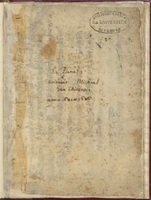 De Planetis
 Book of the Conjunctions of the Moon with the Planets and of the Planets with Each Other, as well as the Conjunctions of the Moon and Planets with Fixed Stars Throughout the Year of Christ 1674, During the Reign of Emperor Kangxi.
-
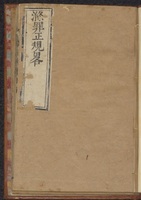 (EN) Correct Rules to Wash Away Sins
 On the confessional doctrine
-
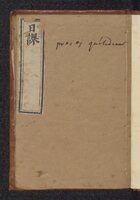 Preces quotidianae Sinica Lingua conscripta: in 8° X.(7)12
 Prayers
-
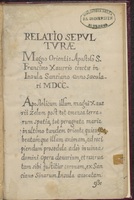 Castner Gaspar. Relatio Sepulturae S.Francisci Xaverii in Insula Sanciano. In 4°, X.(7.)15
 Description and Mapping of the Sepulchre of St. Francis Xavier on Shangchuan Island
-
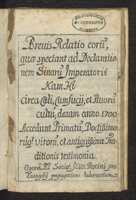 Relatio eorum, quae spectant ad declarationem Sinarum Imperatori. Opera P.P. Soc.Jesu. Pekini. 1700. In 4°, MM.(4.)5
 Book on the Emperor's Declarations Regarding Chinese Customs and Their Interpretation.
-
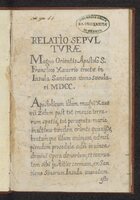 Castner Gaspar. Relatio Sepulturae S.Francisci Xaverii in Insula Sanciano. In 4°, X.(7.)15
 Description and Mapping of the Sepulchre of St. Francis Xavier on Shangchuan Island
-
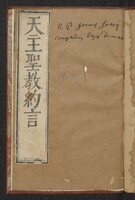 Abridged Record of the Holy Scriptures of the Lord of Heaven
 The work presents the fundamental tenets of Christian doctrine, including the existence and nature of God, the creation of the world, Adam and Eve, the immortality of the soul, the afterlife, heaven and hell, and divine reward. It also outlines the process of conversion to the faith, structured in three essential steps, as expressed by Soeiro: first, to observe the commandments of the Lord of Heaven; second, to understand and believe in matters concerning the Lord of Heaven; and third, to receive the holy water (baptism). This is followed by a detailed exposition and commentary on the Ten Commandments. The argumentative structure and level of explanation suggest that the work was intended for a readership trained in the Confucian tradition, yet interested in engaging with theological questions external to it. As such, the text reflects the intercultural dynamics of late Ming China, emerging from collaboration between Jesuit missionaries and Chinese converts, and forming part of a broader editorial strategy aimed at rendering Christianity intelligible and open to discussion within the framework of local intellectual culture.
-
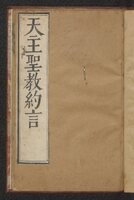 Abridged Record of the Holy Scriptures of the Lord of Heaven
 The work presents the fundamental tenets of Christian doctrine, including the existence and nature of God, the creation of the world, Adam and Eve, the immortality of the soul, the afterlife, heaven and hell, and divine reward. It also outlines the process of conversion to the faith, structured in three essential steps, as expressed by Soeiro: first, to observe the commandments of the Lord of Heaven; second, to understand and believe in matters concerning the Lord of Heaven; and third, to receive the holy water (baptism). This is followed by a detailed exposition and commentary on the Ten Commandments. The argumentative structure and level of explanation suggest that the work was intended for a readership trained in the Confucian tradition, yet interested in engaging with theological questions external to it. As such, the text reflects the intercultural dynamics of late Ming China, emerging from collaboration between Jesuit missionaries and Chinese converts, and forming part of a broader editorial strategy aimed at rendering Christianity intelligible and open to discussion within the framework of local intellectual culture.
-
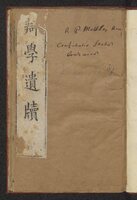 Riccius Mattheus “Confutatio Sectae Bonzaicae” Sinice. In 4°. X.(9).10
 Letters Written in Response to Buddhist Texts. The first part consists of two letters. The first, written by Yu Deyuan (虞德園), also known as Yu Chunxi (虞淳熙) (1553–1621), and addressed to Ricci, invites him to study Buddhism before dismissing it without proper understanding. The second letter, written by Ricci in reply to Yu Deyuan, constitutes his response.
The second part comprises a debate in response to a text by the Chan Buddhist monk Lianchi (蓮池) (1535–1615), also known as Shen Zhuhong (沈祩宏). In his work Zhuchuang sanbi (竹窗三筆, Three Notes of the Bamboo Window), he presents four chapters under the title “On Heaven” (Tianshuo 天説), in which he rejects Christian doctrine. The texts have traditionally been attributed to Matteo Ricci, although there is considerable debate regarding their authorship. Apart from the first letter, which is probably by Ricci, the other texts are very likely by Xu Guangqi (徐光啓) (1562–1633) (cf. Silk 2013: 581).
-
 Liber in quo et signa coelestia et mappa Sinarum Imperij, et quaedam figurae monstruosae tum hominum tum animalium exprimuntur . Sinice, in 4°, X.(7.)18
 This work is an encyclopaedia of the riyong leishu 日用類書 (daily-use encyclopaedia) genre, structured as a compilation of heterogeneous texts. It encompasses a wide range of subjects—such as geography, astronomy, astrology, and medicine—highlighting its practical orientation and its role in disseminating general knowledge to a broad, non-specialist audience
-
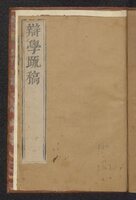 (EN) Draft Memorial Discussing (Western) Learning
 Memorial in defence of Western science, in which three methods are proposed to test Western missionaries: translating the texts imported from the West in order to determine whether they are subversive; organising a debate between Christian missionaries and Buddhist and Taoist representatives, to be judged by Confucian officials; and requesting the production of a translated compendium outlining the general meaning of their teachings and rules, to be submitted to the Emperor’s judgement.
As methods of control, it is proposed: (1) to regulate their means of subsistence, considered a source of suspicion, ensuring that it does not derive from the West but rather from local stipends or donations; (2) to monitor their conduct locally through a written guarantee provided by respectable local families, with the provision that, should they misbehave, they be expelled and their guarantors likewise punished; (3) to conduct investigations by local officials and require periodic reports in order to verify the conduct of Westerners.
-
Vagnonis Alphonsus. "De Septem operibus misericordia spiritualis, et corporalis", Sinice, in 4° X(7).8.
A comprehensive and hands-on guide for Catholics to engage in charitable acts
-
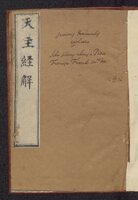 Furtadus Franciscus. “Explicatio oriationis Domicalis” Sinice, in 4°, X.(7).9.
 Prayers' explications
-
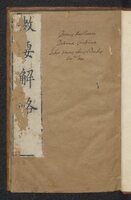 Declaratio brevis Doctrinae Xtiane: liber Sinicus editus a PP.Soc. Jesu To. in 4° X.(7).45.
 Summary explanation of the ‘Doctrina Christiana’, catechism introducing the Ten Commandaments
-
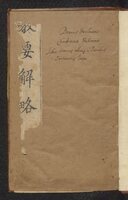 Declaratio brevis Doctrinae Xtiane: liber Sinicus editus a PP.Soc. Jesu To. in 4° X.(7).45.
 Summary explanation of the ‘Doctrina Christiana’, introducing the Ten Commandaments
-
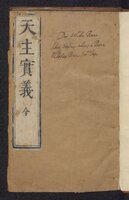 Riccius Mattheus “Dei solida ratio” Sinice. In 4°. X.(9).19
-
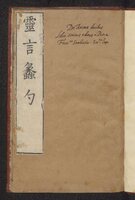 Sanbiasius Franciscus. “De Animae Dotibus”. Sinice in 4°. X.(7.)7.
 The work follows Aristotle’s theory of the three types of souls—the vegetative soul, the sensitive soul of animals, and the rational soul of humans—while integrating Augustine’s theory of the three functions of the soul. It argues that the study of the soul is the most beneficial and significant discipline in philosophy, with the purpose of knowing oneself and recognizing one’s origin, ultimately leading to the worship of God and the salvation of the soul. The book also incorporates Confucian thought into soul theory, using it to understand worldly affairs and, by extension, to cultivate the family, govern the state, and bring peace to the world.
-
 Directory to attain true happiness
 The first chapter focuses on the source of happiness, found in the observance of the Commandments and the practice of virtues. The second chapter introduces creation, salvation, the sacraments, the precepts of the Church, and the capital sins.